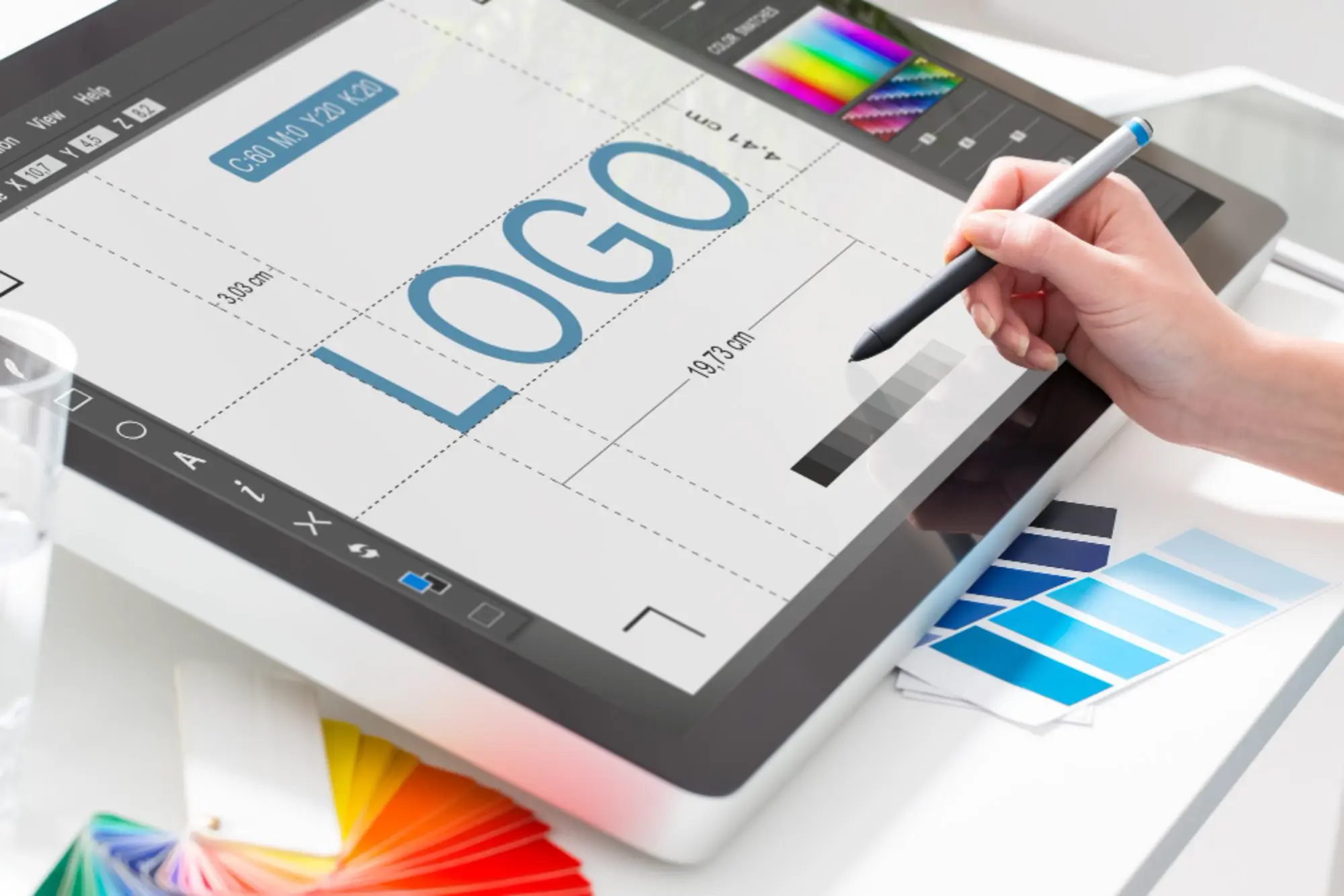
Your logo is often the first point of contact between your brand and potential customers. It’s the visual representation of your business and can make a lasting impression, setting the tone for how your audience perceives your brand. A well-designed logo has the power to communicate your brand’s identity, values, and professionalism at a glance.
Why a Memorable Logo is Essential for Your Brand
A logo is more than just a pretty design; it’s a key element of your brand identity. Here’s why creating a memorable logo is so important:
- First Impressions Matter: Your logo is often the first thing people see when they encounter your brand, whether it’s on your website, social media, or marketing materials. A clean, professional, and memorable logo helps build trust and credibility.
- Brand Recognition: A strong logo helps your brand stand out in a crowded marketplace. When customers consistently encounter your logo across different platforms, they begin to recognize your brand more easily.
- Consistency and Professionalism: A well-crafted logo ties your entire brand identity together. It conveys a sense of consistency and professionalism, helping to establish your brand’s position in the market.
- Emotional Connection: The right logo can evoke positive emotions and associations. It helps communicate your brand’s personality, whether it’s fun and friendly, luxurious and sophisticated, or professional and trustworthy.
Tips for Designing a Memorable Logo
Creating a logo that resonates with your audience and reflects your brand’s identity takes thoughtful planning and execution. Here are some tips to help guide the design process:
1. Keep it Simple
Simplicity is key when it comes to logo design. A simple logo is not only easier to recognize but also more versatile across different mediums. Avoid overly complex designs or intricate details that might not translate well on smaller screens or in black-and-white print.
- Why simplicity works: Simple logos are memorable and easier to reproduce, whether on a business card, website, or billboard.
- Examples of simple logos: Apple, Nike, McDonald’s.
2. Make it Scalable
Your logo needs to look great in various sizes, whether it’s displayed as a tiny icon in a browser tab or on a large banner at an event. Ensure that your logo is scalable and remains clear and legible at different sizes.
- Scalability tips: Avoid excessive detail that could become distorted when scaled down. Design with both large and small-scale applications in mind.
3. Choose the Right Colors
Color plays a critical role in logo design because of its emotional impact and psychological associations. The colors you choose for your logo should align with your brand’s personality and message.
- Examples of color psychology:
- Blue: Trust, professionalism (e.g., Facebook, LinkedIn).
- Red: Energy, passion (e.g., Coca-Cola, YouTube).
- Green: Growth, nature, sustainability (e.g., Starbucks, Whole Foods).
- Black: Elegance, sophistication (e.g., Chanel, Apple).
Be mindful of how colors will appear across different platforms and media, and consider color accessibility for individuals with visual impairments.
4. Make it Unique and Original
A great logo should stand out and differentiate your brand from competitors. Avoid clichés or overly generic designs that could be confused with other brands in your industry.
- Tip for uniqueness: Research your competitors and identify what sets your brand apart. This will help you create a logo that reflects your distinct value proposition.
5. Ensure It’s Timeless
Trends in logo design come and go, but a great logo should stand the test of time. Aim for a logo design that will still look relevant and appealing years from now. Avoid fads or overly trendy elements that may become outdated quickly.
- Timeless examples: Coca-Cola, Toyota, and Ford have had their logos for decades, and they still look fresh and iconic.
6. Ensure Versatility
Your logo will be used across a wide variety of applications, from websites and business cards to promotional materials and merchandise. Make sure your logo is versatile enough to work in all formats, including color, black-and-white, and reversed.
- Versatility tips: Design your logo with different backgrounds and in different orientations (horizontal and vertical) in mind. Ensure that it looks just as good in one color as it does in full color.
7. Reflect Your Brand Identity
Above all, your logo should reflect your brand’s core values and mission. Whether your brand is playful, professional, or innovative, your logo should capture the essence of who you are and what you stand for.
- Brand alignment: If you’re a luxury brand, your logo should exude elegance and sophistication. If you’re a tech startup, your logo should feel modern and innovative.
Best Practices for Logo Design
In addition to the tips above, here are a few best practices to keep in mind:
- Test for legibility: Ensure that your logo is easy to read, even in small sizes or on different screen resolutions.
- Consider negative space: Use negative space creatively to make your logo more interesting and visually appealing. Think of how the FedEx logo uses negative space to form an arrow.
- Stay consistent with brand messaging: Your logo should align with your brand messaging and position. If your brand is environmentally conscious, for example, you might choose green and earthy tones in your logo design.
- Seek feedback: Once you have a logo design, gather feedback from employees, stakeholders, and even customers to ensure it resonates with your target audience.
How Okrish Can Help You Create a Memorable Logo
At Okrish, we understand the critical role your logo plays in representing your brand’s identity. Our team of experienced designers works closely with you to create a logo that effectively communicates your brand’s personality and vision. Here’s how we can help:
- Brand Discovery: We start by learning about your business, target audience, and core values. This helps us understand the essence of your brand and ensures that your logo reflects who you are.
- Creative Design Process: Our design team will present you with multiple logo concepts based on your brand’s identity and preferences. We’ll work with you to refine the design until it’s perfect.
- Color Psychology Expertise: We’ll carefully choose the right colors for your logo, ensuring they align with your brand’s personality and message while considering color psychology and accessibility.
- Scalability and Versatility: We design logos that look great across all mediums and sizes, ensuring that your brand identity remains consistent whether you’re using your logo on a website, business card, or billboard.
- Timeless Design: Our designers focus on creating logos that have staying power. We avoid trends that may quickly become outdated, ensuring your logo remains relevant and impactful for years to come.
- Final Delivery: We provide you with various logo files, including vector formats, so you can use your logo for any application without losing quality.